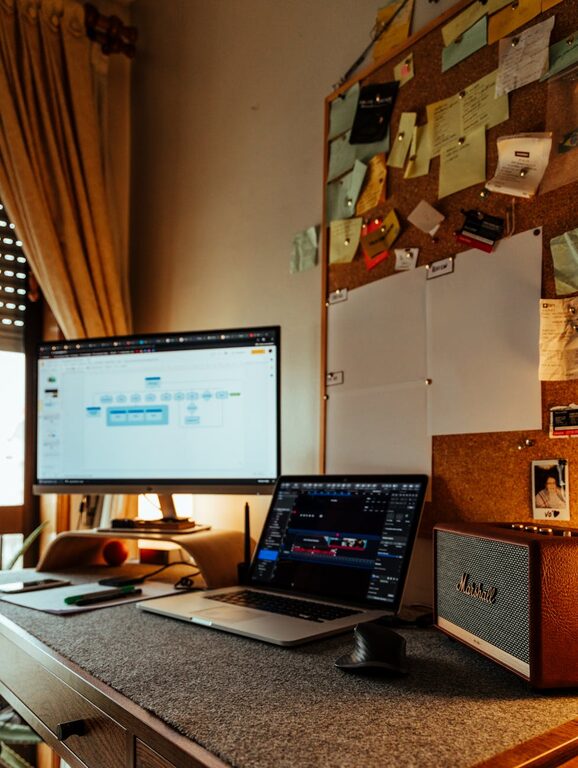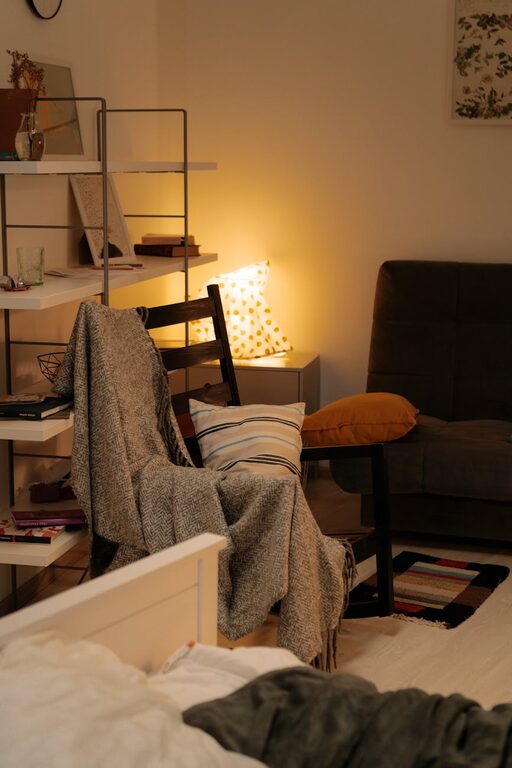
Creating a comfortable and inviting home workspace is essential for staying focused, motivated, and productive. Whether you work remotely full-time, need a spot for occasional tasks, or want a creative corner, designing a space that feels both functional and cozy can make a big difference in your daily routine.
In this post, we’ll share practical tips to help you create a home office that welcomes you every day while supporting your work needs.
Choose the Right Location
Consider Natural Light
A workspace near a window offers natural light, which can improve mood and reduce eye strain. Try to position your desk where sunlight comes in without causing glare on your screen.
Minimize Distractions
Choose a quiet, low-traffic area to help you focus. If your home is busy, consider using room dividers or noise-cancelling headphones to create a sense of separation.
Invest in Comfortable Furniture
Ergonomic Chair
A supportive chair is key for long hours of work. Look for one that offers adjustable height, good lumbar support, and comfortable cushioning.
Functional Desk
Find a desk with enough surface area for your computer, accessories, and any paperwork you use. Standing desks or adjustable models can also add variety to your work posture.
Add Personal Touches
Consider including a small side table, bookshelf, or storage unit to keep supplies organized and within reach.
Use Soothing Colors and Textures
Choose Calming Colors
Soft neutrals, pastel tones, or shades of blue and green can create a relaxing atmosphere. Avoid overly bright or harsh colors that might cause distraction.
Incorporate Textiles
Add warmth with cozy rugs, cushions, or curtains. A soft blanket nearby can also make the space feel more inviting.
Optimize Lighting
Layer Your Lighting
Combine different types of lighting for flexibility. Use a desk lamp for focused task lighting, overhead lights for general illumination, and ambient lights such as lamps or string lights for a cozy feel.
Avoid Harsh Glare
Position light sources to avoid reflections on your computer screen, reducing eye strain.
Keep It Organized
Declutter Regularly
A tidy workspace helps clear your mind. Use trays, drawer organizers, and filing systems to keep things in order.
Limit Personal Items
While some decoration is good for a personal touch, too many items can become distracting. Choose a few meaningful objects to display.
Add Plants and Natural Elements
Bring in Greenery
Plants can improve air quality and add life to your workspace. Low-maintenance options like succulents or snake plants are ideal if you’re new to plant care.
Use Natural Materials
Incorporate wood, stone, or woven baskets to introduce texture and a calming vibe.
Personalize Your Space
Display Inspirational Items
A vision board, favorite artwork, or motivational quotes can keep you inspired throughout the day.
Use Scent
Consider a scented candle or essential oil diffuser with calming fragrances like lavender or citrus to enhance your mood.
Maintain Good Air Quality
Ventilation
Make sure your workspace has fresh air flow. Open a window if possible or use an air purifier to keep the environment pleasant.
Control Temperature
Adjust the room temperature to a comfortable level to avoid distractions caused by feeling too hot or cold.
Create Zones
If your space allows, establish different zones for various activities:
– Work zone: your desk and chair for focus tasks.
– Relaxation zone: a comfortable chair or nook for reading or brainstorming.
– Storage zone: filing cabinets or shelves for organization.
This separation can help your mind switch between work phases and prevent burnout.
Establish a Routine
Having a consistent routine helps your brain associate the workspace with productivity. Try to:
– Set specific work hours.
– Use the space only for work-related activities.
– Take breaks and stretch regularly.
Final Thoughts
Designing a cozy and inviting home workspace doesn’t have to be complicated or expensive. By focusing on comfort, lighting, organization, and personalization, you can create a space that supports your best work while making you feel at ease. Start small, experiment with what feels right, and enjoy the process of building your perfect work-from-home environment.