
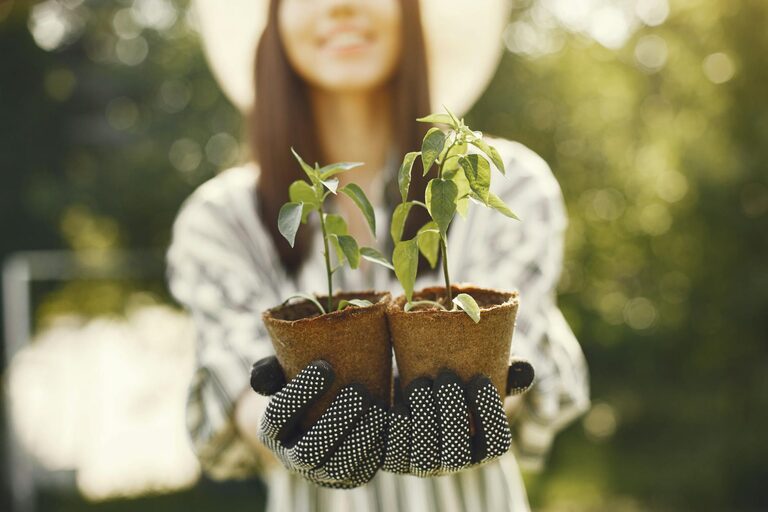
Creating a sustainable home garden is a rewarding way to connect with nature, grow your own food, and reduce your environmental impact. Whether you have a large backyard or a small balcony, applying sustainable gardening principles can help you enjoy fresh produce and beautiful plants throughout the year.
In this post, we’ll explore practical tips to plan, plant, and maintain a home garden that stays healthy and productive in all seasons while supporting biodiversity and conserving resources.
Why Choose a Sustainable Garden?
Sustainable gardening focuses on practices that benefit both your garden and the environment. It emphasizes:
– Minimizing waste and chemical use
– Conserving water and soil health
– Encouraging local wildlife and pollinators
– Using renewable or recycled materials
By adopting these approaches, you create a self-supporting garden that requires less effort and fewer inputs over time.
Planning Your Sustainable Garden
1. Assess Your Space and Climate
Begin by understanding your garden’s size, sunlight exposure, soil type, and local climate conditions. This knowledge helps you choose plants that will thrive naturally, reducing the need for extra watering or fertilizers.
2. Choose Native and Adapted Plants
Selecting native plants or varieties adapted to your region supports local ecosystems and typically requires less water and care. They are also more resistant to pests and diseases common in your area.
3. Plan for Year-Round Growth
Design your garden with plants that grow in different seasons. Incorporate:
– Cool-season crops (lettuce, kale, radishes) for spring and fall
– Warm-season vegetables (tomatoes, peppers, beans) for summer
– Perennials and herbs that persist through winter or early spring
Crop rotation and succession planting can maximize yield and maintain soil health.
Soil and Water Management
4. Build Healthy Soil
Rich, well-structured soil is the foundation of sustainable gardening. Add organic matter like compost, mulch, or aged manure to improve fertility and moisture retention.
Avoid synthetic fertilizers when possible. Instead, use natural amendments such as:
– Compost tea
– Worm castings
– Green manures (cover crops)
5. Practice Water Conservation
Water wisely by:
– Installing drip irrigation or soaker hoses to target roots directly
– Collecting rainwater with barrels for irrigation
– Mulching to reduce evaporation and suppress weeds
– Watering early in the morning or late in the evening to minimize evaporation
Adjust watering frequency according to seasonal needs and rainfall.
Pest and Weed Management
6. Encourage Beneficial Insects
Attract predators like ladybugs, lacewings, and parasitic wasps that help control pest populations. Planting a variety of flowering plants and herbs provides food and shelter for these helpful insects.
7. Use Physical and Cultural Controls
Instead of relying on chemicals, try these techniques:
– Hand-pick pests or use barriers such as row covers
– Rotate crops annually to break pest cycles
– Remove diseased plant material promptly
– Maintain garden cleanliness to reduce hiding spots for insects
8. Manage Weeds Naturally
Mulching, cultivating soil gently, and planting ground covers can suppress weeds and reduce the need for herbicides. Pull weeds early before they set seed.
Seasonal Gardening Tips
Spring and Summer
– Start seeds indoors or buy seedlings to extend the growing season
– Plant warm-season crops after the last frost date
– Prune perennials and shrubs to promote healthy growth
– Keep compost bins active to generate nutrient-rich soil amendments
Fall and Winter
– Plant cover crops such as clover or vetch to protect and enrich soil
– Mulch vegetable beds to regulate temperature and prevent erosion
– Plan next year’s garden based on this season’s successes and lessons
– Prepare tools and supplies for spring planting
Sustainable Materials and Practices
9. Use Recycled and Natural Gardening Supplies
Opt for biodegradable pots, natural twine, and recycled containers. Avoid plastics when possible to reduce waste.
10. Compost and Reduce Waste
Create a compost pile for kitchen scraps and garden waste to recycle nutrients back into the soil. This reduces landfill waste and improves soil health.
Conclusion
A sustainable home garden is achievable with thoughtful planning and care. By selecting suitable plants, improving soil, conserving water, managing pests naturally, and using sustainable materials, you’ll enjoy a vibrant garden year-round. Not only will this benefit your family with fresh produce and beauty, but it will also contribute positively to the environment. Start small, observe, and grow your garden sustainably in harmony with nature. Happy gardening!